Embarking on the exploration of Hiring trends 2024, we delve into the dynamic landscape of recruitment strategies, shedding light on the transformative impact of technology and the evolving role of remote work in shaping future hiring trends.
As we navigate through the upcoming hiring landscape, we uncover insights into sector-specific trends, in-demand skills, diversity and inclusion initiatives, and the pivotal role of recruitment services in assisting organizations seeking talent in 2024.
Hiring Trends 2024
In the ever-evolving landscape of recruitment, several key factors are shaping hiring trends in 2024. One of the most prominent influences is the rapid advancements in technology, which are revolutionizing recruitment strategies and processes.
Impact of Technology on Recruitment Strategies
Technology is playing a crucial role in streamlining recruitment processes and enhancing candidate experience. Artificial intelligence (AI) and machine learning algorithms are being used to automate resume screening, assess candidate fit, and even conduct initial interviews. This not only saves time for recruiters but also ensures a more efficient and unbiased selection process.Moreover, the rise of virtual reality (VR) and augmented reality (AR) is transforming the way organizations showcase their workplace culture and environment to potential candidates.
Virtual job fairs and online assessments are becoming increasingly popular, offering a more immersive and engaging experience for both recruiters and candidates.The use of data analytics and predictive tools is also helping recruiters make more informed hiring decisions. By analyzing past recruitment data and identifying patterns, organizations can improve their talent acquisition strategies and optimize their hiring processes for better outcomes.
Role of Remote Work in Shaping Hiring Trends
The widespread adoption of remote work is another significant factor influencing hiring trends in 2024. The COVID-19 pandemic has accelerated the shift towards remote work, leading many organizations to embrace flexible work arrangements and remote hiring practices.Remote work has opened up new possibilities for talent acquisition, allowing companies to tap into a global talent pool without being restricted by geographical boundaries.
This has led to a more diverse and inclusive workforce, as organizations prioritize skills and capabilities over location.Furthermore, remote work has also changed the way interviews and onboarding processes are conducted. Virtual interviews, online assessments, and digital onboarding programs have become the new norm, enabling organizations to seamlessly recruit and integrate new employees regardless of their physical location.Overall, the convergence of technology and remote work is reshaping the recruitment landscape in 2024, driving organizations to adopt innovative strategies to attract, engage, and retain top talent in a competitive job market.
Sector-specific Hiring Trends
In the rapidly evolving job market, different sectors are experiencing unique hiring trends as they prepare for 2024. Let’s delve into the anticipated changes in technology, healthcare, and retail industries.
Technology Industry Hiring Trends
The technology sector is expected to continue its rapid growth, leading to high demand for skilled professionals in areas such as artificial intelligence, cybersecurity, and data analytics. Companies are focusing on recruiting top talent with expertise in emerging technologies to stay competitive in the market. Remote work opportunities and flexible schedules are becoming more prevalent to attract a diverse workforce.
Healthcare Recruitment Strategies for 2024
Healthcare organizations are revamping their recruitment strategies to address the ongoing shortage of healthcare professionals. With the aging population and advancements in medical technology, there is a growing need for doctors, nurses, and other healthcare workers. To attract and retain talent, healthcare institutions are offering competitive salaries, professional development opportunities, and flexible work arrangements. Additionally, virtual recruitment events and online job fairs are becoming common practices to connect with potential candidates.
Retail Sector Hiring Trends by 2024
The retail industry is adapting to changing consumer behavior and technological advancements, leading to shifts in hiring trends. Retailers are increasingly investing in e-commerce platforms and omnichannel strategies, requiring employees with digital marketing, supply chain management, and customer service skills. Automation and AI are also reshaping the retail workforce, with a focus on enhancing operational efficiency and delivering personalized customer experiences.
As a result, retail companies are seeking employees who can adapt to a fast-paced and technology-driven environment.
Skills in Demand
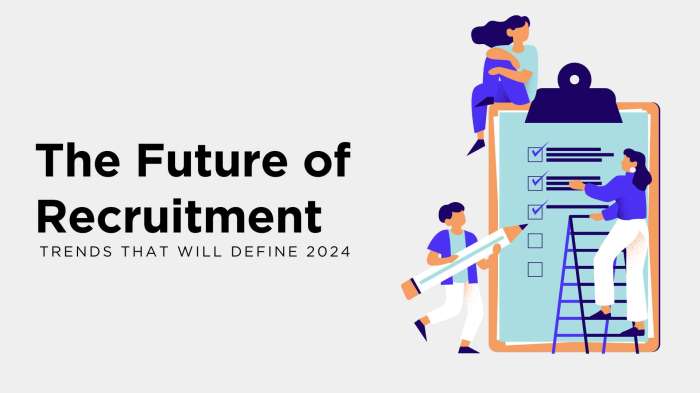
In 2024, job seekers will need to possess a specific set of skills to remain competitive in the ever-evolving job market. Employers are looking for candidates who can meet the demands of the future workplace and contribute effectively to their organizations.
Top Skills in Demand for 2024
- Digital Literacy
- Artificial Intelligence and Machine Learning
- Data Analysis and Interpretation
- Critical Thinking and Problem-Solving
- Adaptability and Flexibility
Relevance of Soft Skills vs. Technical Skills
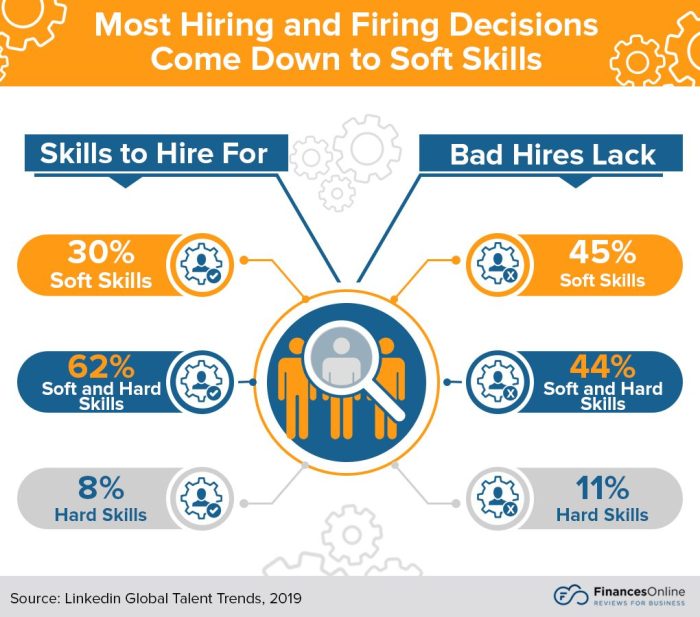
Soft skills such as communication, teamwork, and leadership are becoming increasingly important in the job market, as they complement technical skills and help individuals navigate complex work environments. While technical skills are essential for specific job roles, soft skills are crucial for overall career success and advancement.
Importance of Upskilling and Reskilling
In order to meet the demands of the future job market, individuals must be willing to upskill and reskill to stay relevant and competitive. Continuous learning and development are essential to adapt to new technologies, trends, and job requirements. Employers are looking for candidates who are proactive in enhancing their skills and knowledge to meet the challenges of tomorrow.
Diversity and Inclusion
In the evolving landscape of hiring practices, diversity and inclusion have become crucial factors for companies looking to build a strong and inclusive workforce. By 2024, the emphasis on diversity and inclusion is expected to continue shaping recruitment strategies and processes.
Role of Diversity and Inclusion
Diversity and inclusion play a key role in ensuring that companies have a workforce that reflects the varied perspectives and experiences of society. By including individuals from different backgrounds, genders, races, and cultures, organizations can benefit from a wider range of ideas, creativity, and innovation.
- Creating a diverse and inclusive workplace not only fosters a sense of belonging and respect among employees but also helps in attracting top talent from different demographics.
- Companies that prioritize diversity and inclusion are more likely to have higher employee engagement, retention rates, and overall performance.
- Embracing diversity and inclusion also contributes to a positive employer brand, showcasing the organization as an inclusive and equitable place to work.
Strategies for Ensuring Diversity and Inclusion
Companies can implement various strategies to ensure diversity and inclusion in their recruitment processes:
- Developing inclusive job descriptions and using inclusive language to attract a diverse pool of candidates.
- Implementing unconscious bias training for recruiters and hiring managers to mitigate biases in the selection process.
- Establishing diversity goals and metrics to track progress and hold the organization accountable for fostering an inclusive culture.
Examples of Successful Initiatives
Several companies have successfully implemented diversity and inclusion initiatives in the workplace:
- Microsoft launched the Diversity and Inclusion Report, highlighting its commitment to diversity and inclusion through data transparency and accountability.
- Accenture created the “Getting to Equal” research series, focusing on gender equality and diversity in the workplace, leading to tangible improvements in gender diversity within the organization.
- Salesforce established the Office of Equality to drive initiatives promoting diversity, inclusion, and equality both internally and externally.
Recruitment Services
In the fast-paced and competitive job market of 2024, recruitment services play a crucial role in assisting companies with their hiring needs. These services act as intermediaries between employers and job seekers, helping to match the right talent with the right job opportunities.
Benefits of Using Recruitment Services
- Access to a larger talent pool: Recruitment services have extensive networks and resources to reach a wider range of candidates, including passive job seekers who may not be actively looking for new opportunities.
- Time and cost efficiency: Outsourcing the hiring process to recruitment services saves organizations time and resources, allowing them to focus on their core business activities.
- Expertise and industry knowledge: Recruitment services are staffed with professionals who understand the job market trends, industry requirements, and candidate expectations, providing valuable insights and guidance throughout the recruitment process.
- Streamlined recruitment process: From sourcing candidates to conducting interviews and negotiating offers, recruitment services manage the entire recruitment process efficiently, ensuring a seamless experience for both employers and candidates.
- Quality hires: By leveraging their expertise and tools, recruitment services can help organizations identify and attract top talent that aligns with their company culture and values, leading to better retention rates and overall performance.
Emerging Trends in Recruitment Services
- AI-powered recruitment tools: Artificial intelligence and machine learning technologies are increasingly being used in recruitment services to automate repetitive tasks, analyze candidate data, and improve the efficiency and accuracy of the hiring process.
- Remote hiring solutions: With the rise of remote work, recruitment services are adapting to virtual hiring practices, utilizing video interviews, virtual job fairs, and online assessments to connect employers and candidates across different locations seamlessly.
- Focus on candidate experience: Recruitment services are placing a greater emphasis on enhancing the candidate experience, providing personalized communication, feedback, and support to ensure a positive interaction at every stage of the recruitment journey.
- Diversity and inclusion initiatives: Recruitment services are actively promoting diversity and inclusion in the hiring process, implementing strategies to attract a more diverse pool of candidates and create inclusive work environments for all employees.
- Data-driven recruitment strategies: Recruitment services are leveraging data analytics and predictive algorithms to make informed decisions, identify hiring trends, and optimize recruitment strategies for better outcomes and long-term success.
In conclusion, Hiring trends 2024 offer a glimpse into the future of recruitment practices, emphasizing the need for adaptability, upskilling, and embracing diversity to thrive in the evolving job market. As organizations gear up to navigate these trends, staying informed and proactive will be key in securing top talent and fostering a culture of inclusivity and innovation.
Common Queries
What are the top skills in demand for job seekers in 2024?
Answer: The top skills in demand for job seekers in 2024 include data analysis, digital marketing, and artificial intelligence.
How can companies ensure diversity and inclusion in their recruitment processes by 2024?
Answer: Companies can ensure diversity and inclusion by implementing bias-free recruitment practices, offering diversity training, and creating inclusive workplace policies.
What benefits do recruitment services provide for organizations seeking talent in 2024?
Answer: Recruitment services offer benefits such as access to a larger talent pool, expertise in sourcing candidates, and streamlining the hiring process for organizations in 2024.