As Recruitment agency fees takes center stage, this opening passage beckons readers with casual formal language style into a world crafted with good knowledge, ensuring a reading experience that is both absorbing and distinctly original.
Recruitment agency fees are a crucial aspect of hiring processes. Understanding the fee structure, additional costs, and how they are calculated is essential for both employers and job seekers alike. Let’s delve into the intricacies of recruitment agency fees to shed light on this often misunderstood topic.
Recruitment Agency Fees

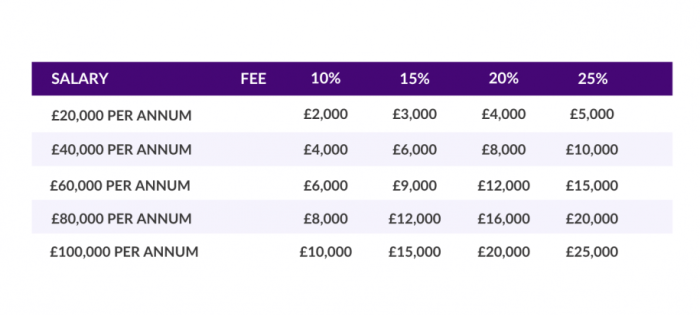
Recruitment agency fees are typically structured in the form of a percentage of the hired candidate’s first-year salary. This percentage can range anywhere from 15% to 30%, depending on the agency and the level of the position being filled. Some agencies may also charge a flat fee for their services.
Additional Costs in Recruitment Agency Fees
- Advertising costs for job postings
- Background check fees
- Travel expenses for in-person interviews
- Psychometric testing fees
Calculation of Recruitment Agency Fees
Recruitment agency fees are usually calculated based on the specific services provided by the agency. For example, if the agency offers additional services such as candidate sourcing, resume screening, and interview scheduling, the fee may be higher. Some agencies also offer contingency-based fees, where payment is only made upon successful placement of a candidate.
Comparison of Fee Structures
- Traditional Recruitment Agencies: These agencies typically charge a percentage of the candidate’s first-year salary as their fee.
- Executive Search Firms: Executive search firms may charge higher fees, often ranging from 25% to 35% of the candidate’s first-year salary, due to the specialized nature of their services.
- Temporary Staffing Agencies: These agencies may charge a markup on the hourly rate of the temporary employee, usually around 20% to 50%.
Recruitment Services
Recruitment agencies offer a range of services to assist businesses in finding the right candidates for their job openings. These services streamline the hiring process and help connect qualified individuals with suitable employment opportunities.
Matching Candidates with Job Opportunities
Recruitment agencies begin by understanding the specific requirements of their client companies. They then carefully evaluate potential candidates based on their skills, experience, and qualifications to match them with job opportunities that align with their expertise and career goals.
Sourcing Candidates
Recruitment agencies utilize various methods to source candidates, including online job boards, social media platforms, networking events, and referrals. They actively search for top talent and maintain a pool of qualified candidates to quickly meet the hiring needs of their clients.
Benefits for Businesses
- Access to a larger talent pool: Recruitment agencies have an extensive network of candidates, allowing businesses to choose from a diverse range of qualified individuals.
- Time-saving: By handling the recruitment process, agencies save businesses valuable time and resources, enabling them to focus on their core operations.
- Expertise and industry knowledge: Recruiters have a deep understanding of the job market and can provide valuable insights to help businesses make informed hiring decisions.
- Cost-effective: Using a recruitment agency can be more cost-effective than managing the hiring process in-house, especially for specialized positions.
In conclusion, recruitment agency fees play a vital role in the recruitment process, offering valuable services to both businesses and job seekers. By grasping the nuances of fee structures and benefits, one can make informed decisions when engaging with recruitment agencies.
Top FAQs
What are the typical fee structures of recruitment agencies?
Recruitment agencies commonly charge a percentage of the hired candidate’s first-year salary or a flat fee for their services.
Are there additional costs included in recruitment agency fees?
Yes, additional costs such as advertising expenses, background checks, and candidate assessment tools may be part of the overall fee.
How do recruitment agencies calculate their fees?
Recruitment agency fees are usually calculated based on the services provided, such as sourcing candidates, conducting interviews, and facilitating the hiring process.
What are the benefits of using recruitment services for businesses?
Businesses benefit from recruitment services by accessing a pool of pre-screened candidates, saving time on hiring processes, and receiving expert assistance in finding the right talent.


